• Wie der Boden unser Leben prägt – Zusammenhänge spielerisch entdecken

    The soil beneath our feet influences our diet, our homes, the climate—in short, our entire lives. How can we manage this vital resource responsibly? In this interactive workshop, you’ll discover in a playful and collaborative way how soils work, what role they play in the ecosystem, and how closely our daily lives are connected to […]

  • Become a little ape for a day!

    In this interactive family workshop, children and adults step into the world of gibbons living in the rainforests of Java, Indonesia. Together, they discover how apes find food, stay safe, play, and learn from their families. Using a large rainforest map, participants complete playful challenges and make decisions as a group: Where can we find […]

  • Meerkats – The Ideal Study Species

    What makes meerkats such successful team players? On this guided tour, you’ll get to know the meerkats at the Irchel Campus and learn how researchers study their behavior. The research builds on the Kalahari Meerkat Project in South Africa, one of the world’s best-known long-term behavioral research projects. You’ll hear about exciting findings regarding the […]

  • A Journey Through Time with Atoms

    How do researchers determine the age of archaeological finds, wood, or bones? On this guided tour of the Laboratory of Ion Beam Physics at ETH Zurich, you’ll learn how radiocarbon dating works and what secrets it can reveal about the past. Take a look behind the scenes of modern research and tour the impressive accelerator […]

  • Junior Germinators – Become a plant scientist

    Junior Germinators – Hands on plant science for young learners. Help Farmer Liam save his crops! Become a young seed scientist and discover how climate change is affecting the food on your plate.

  • Atoms and Electrons in Action

    In low-dimensional quantum materials, electrons no longer behave as they do in everyday materials. At this smallest scale, the arrangement of atoms and the interactions between electrons can completely change how electricity flows – and researchers can measure these effects! Using clear images and simple concepts, the talk opens a window into experiments with the […]

  • Experience the future soundscapes of urban spaces

    In street spaces, bicycles, cars, and trams should flow smoothly, while at the same time the design and atmosphere should be pleasant for people. Planting should provide habitat for birds, hedgehogs, and other species, and the soundscape should be as quiet and soothing as possible—and, in any case, of high quality. It is difficult to […]

  • Cancer on the move

    How do cancer cells spread through the body? And how can researchers track and study them to develop better treatments? This laboratory tour offers fascinating insights into the process of metastasis: the spread of cancer from one part of the body to another. The session begins with a short presentation and Q&A, explaining how cancer […]

  • Light-controlled particles and 2D materials

    How can light be used to move tiny particles? And what happens when materials become so thin that they consist of just a single layer of atoms? On this laboratory tour, you will discover research conducted at the Photonics Laboratory. Researchers here explore how light interacts with matter, from ultra-thin materials to nanoparticles that can […]

  • What Makes Us Human?

    In the exhibition “What Makes Us Human?”, we explore the latest research from the Department of Evolutionary Anthropology at the University of Zurich. We examine how communication, culture, and cooperation have shaped human development and how researchers are studying these traits in other animals.

  • Exploring genes and cells to cure genetic disease

    How do scientists study genes and cells? And how can this research lead to new treatments for genetic diseases? This interactive laboratory tour begins with a short introduction to the research carried out in the Professorship of Genome Biology (Corn Lab). You will learn how researchers study genes and cells, make invisible biological processes visible […]

  • Research in river and hydraulic engineering

    How can we better protect ourselves from floods? How can rivers be restored to a more natural state? And how can hydropower plants be made more efficient? At the Laboratory of Hydraulics, Hydrology and Glaciology (VAW), researchers explore these questions using impressive physical models and state-of-the-art measuring technology. During this guided tour, you will gain […]

  • Robots, Religions, and VR: Creating Imaginative Futures

    Could robots support our spiritual well-being? What might they look like, and what could they do? In this creative workshop, you will develop your own visions of future robots and technologies for religious or spiritual purposes. You'll express your ideas through simple, colorful drawings—no artistic experience required. The drawings will be digitized and displayed in […]

  • Meerkats – The Ideal Study Species

    What makes meerkats such successful team players? On this guided tour, you’ll get to know the meerkats at the Irchel Campus and learn how researchers study their behavior. The research builds on the Kalahari Meerkat Project in South Africa, one of the world’s best-known long-term behavioral research projects. You’ll hear about exciting findings regarding the […]

  • A Journey Through Time with Atoms

    How do researchers determine the age of archaeological finds, wood, or bones? On this guided tour of the Laboratory of Ion Beam Physics at ETH Zurich, you’ll learn how radiocarbon dating works and what secrets it can reveal about the past. Take a look behind the scenes of modern research and tour the impressive accelerator […]

  • Is Curiosity Worth the Cost?

    Is curiosity-driven research a luxury we cannot afford, or the source of the breakthroughs we never see coming? Some research follows nothing but a question and is dismissed as wasteful – until it isn't. Other research arrives loudly applauded, only to reveal hype dressed up as discovery. Through historical cases and audience reflection, this talk […]

  • From Destruction to Sustainable Reconstruction in Sudan

    Since the war began in Sudan in 2023, many buildings, roads and heritage sites have been damaged or destroyed. But there are areas that are now considered relatively safe, and people are beginning to return. Recovery now depends on housing, infrastructure and access to construction materials. Using Khartoum as an example, this talk looks at […]

  • Experience the future soundscapes of urban spaces

    In street spaces, bicycles, cars, and trams should flow smoothly, while at the same time the design and atmosphere should be pleasant for people. Planting should provide habitat for birds, hedgehogs, and other species, and the soundscape should be as quiet and soothing as possible—and, in any case, of high quality. It is difficult to […]

  • Quantum Materials Up Close – A peek inside experimental physics

    A look behind the scenes of physics research: This tour shows how novel quantum materials are developed and studied using state-of-the-art technologies. Discover fascinating fields of research such as superconductivity, magnetism, and nanomaterials. High-precision microscopes make individual atoms visible, while ultrashort laser pulses capture processes on the smallest time scales. An exciting opportunity to get […]

  • Unlocking the Secrets of Life

    How do scientists study the building blocks of life? On this guided tour of the Functional Genomics Center Zurich (FGCZ), you’ll gain fascinating insights into the cutting-edge technologies used to study DNA, proteins, and metabolites. Discover how genomics, proteomics, and metabolomics work together to better understand biological processes in cells. The tour is designed for […]

  • Building with nature: why every material is different

    No two natural building materials are exactly the same. But what does this mean when we want to build with them? In this hands-on workshop, you will explore the fascinating properties of two sustainable building materials: earth and biochar. Working in small groups, you will carry out simple experiments to discover how differently these materials […]

  • Why Do We Eat? A Look Inside the Brain

    What controls our hunger—and why do we eat at all? On this guided tour, you’ll discover the fascinating neural circuits in the brain that influence our eating behavior. Using visually prepared brain tissue, these networks are revealed in impressive 3D images. You’ll also gain insights into modern research methods and learn how signals from the […]

  • A microscope into the quantum world

    What happens when materials become so small that they consist of only a few atoms? At this tiny scale, the rules of physics differ from those that govern our everyday world. Researchers at ETH Zurich explore precisely this fascinating quantum realm. On this laboratory tour, you will gain exclusive insights into the use of highly […]

  • Exploring genes and cells to cure genetic disease

    How do scientists study genes and cells? And how can this research lead to new treatments for genetic diseases? This interactive laboratory tour begins with a short introduction to the research carried out in the Professorship of Genome Biology (Corn Lab). You will learn how researchers study genes and cells, make invisible biological processes visible […]

  • Research in river and hydraulic engineering

    How can we better protect ourselves from floods? How can rivers be restored to a more natural state? And how can hydropower plants be made more efficient? At the Laboratory of Hydraulics, Hydrology and Glaciology (VAW), researchers explore these questions using impressive physical models and state-of-the-art measuring technology. During this guided tour, you will gain […]

  • Become a little ape for a day!

    In this interactive family workshop, children and adults step into the world of gibbons living in the rainforests of Java, Indonesia. Together, they discover how apes find food, stay safe, play, and learn from their families. Using a large rainforest map, participants complete playful challenges and make decisions as a group: Where can we find […]

  • Soil science in action!

    What lies beneath your feet? Join us on a guided tour of the Waldlabor in the Hönggerberg forest and discover the hidden world beneath the forest floor. Soil is much more than dirt. It supports forests and plants, stores water, provides nutrients, captures carbon and is home to countless organisms. In short, healthy soils are […]

  • Meerkats – The Ideal Study Species

    What makes meerkats such successful team players? On this guided tour, you’ll get to know the meerkats at the Irchel Campus and learn how researchers study their behavior. The research builds on the Kalahari Meerkat Project in South Africa, one of the world’s best-known long-term behavioral research projects. You’ll hear about exciting findings regarding the […]

  • A Journey Through Time with Atoms

    How do researchers determine the age of archaeological finds, wood, or bones? On this guided tour of the Laboratory of Ion Beam Physics at ETH Zurich, you’ll learn how radiocarbon dating works and what secrets it can reveal about the past. Take a look behind the scenes of modern research and tour the impressive accelerator […]

  • Controlling the Quantum World

    From fire to electricity to the digital bit, new ways of controlling matter, energy and information have repeatedly transformed society. Today, quantum computing captures much of the public imagination – but behind it lies another frontier: quantum control. Researchers at ETH Zurich are developing methods to interact light and matter with extraordinary precision, enabling new […]

  • Dark Matter – In Search of the Invisible

    Dark matter makes up the majority of matter in the universe—yet to this day, it has not been directly detected. How do researchers search for something that is invisible? This guided tour offers insights into the Xenoscope laboratory at the University of Zurich and demonstrates the technologies used to search for dark matter. It explains […]

  • Experience the future soundscapes of urban spaces

    In street spaces, bicycles, cars, and trams should flow smoothly, while at the same time the design and atmosphere should be pleasant for people. Planting should provide habitat for birds, hedgehogs, and other species, and the soundscape should be as quiet and soothing as possible—and, in any case, of high quality. It is difficult to […]

  • The fantastic life of a marine bacterium: from the ocean to the lab

    The ocean is full of life that is far too small to see with the naked eye. In this hands-on workshop, you will discover the hidden world of ocean microbes — tiny organisms that play a crucial role in keeping our oceans healthy. Using microscopes, we will observe living microbes up close, and explore how […]

  • Light-controlled particles and 2D materials

    How can light be used to move tiny particles? And what happens when materials become so thin that they consist of just a single layer of atoms? On this laboratory tour, you will discover research conducted at the Photonics Laboratory. Researchers here explore how light interacts with matter, from ultra-thin materials to nanoparticles that can […]

  • Building with nature: why every material is different

    No two natural building materials are exactly the same. But what does this mean when we want to build with them? In this hands-on workshop, you will explore the fascinating properties of two sustainable building materials: earth and biochar. Working in small groups, you will carry out simple experiments to discover how differently these materials […]

  • Thermal Justice: a serious game

    Who suffers most when cities get hotter? And how can we make cities not only cooler, but fairer? In this interactive workshop you will play the Thermal Justice board game, developed by researchers at ETH Zurich and Eawag: a fun and interactive way to explore how buildings, streets, trees, energy systems, and social inequalities shape […]

  • What Makes Green Spaces So Relaxing?

    Urban green spaces have been shown to promote our mental and physical health. But how can we measure their qualities and scientifically examine the diverse sensory experiences they offer? In this two-hour workshop, we will gather data in small groups at Irchelpark using scientific and artistically inspired methods. Afterward, we will analyze and discuss the […]

  • What Makes Us Human?

    In the exhibition “What Makes Us Human?”, we explore the latest research from the Department of Evolutionary Anthropology at the University of Zurich. We examine how communication, culture, and cooperation have shaped human development and how researchers are studying these traits in other animals.

  • Atlas of Switzerland – discover the country’s diversity!

    Where can you find rope courses in Switzerland? And how long have they been around? Where in Switzerland are snowboards manufactured, and which brands are involved? In which Swiss municipalities are watches manufactured, and how many people work in this industry? The web version of the Atlas of Switzerland offers a wealth of information on […]

  • Why Do We Eat? A Look Inside the Brain

    What controls our hunger—and why do we eat at all? On this guided tour, you’ll discover the fascinating neural circuits in the brain that influence our eating behavior. Using visually prepared brain tissue, these networks are revealed in impressive 3D images. You’ll also gain insights into modern research methods and learn how signals from the […]

  • A microscope into the quantum world

    What happens when materials become so small that they consist of only a few atoms? At this tiny scale, the rules of physics differ from those that govern our everyday world. Researchers at ETH Zurich explore precisely this fascinating quantum realm. On this laboratory tour, you will gain exclusive insights into the use of highly […]

  • Research in river and hydraulic engineering

    How can we better protect ourselves from floods? How can rivers be restored to a more natural state? And how can hydropower plants be made more efficient? At the Laboratory of Hydraulics, Hydrology and Glaciology (VAW), researchers explore these questions using impressive physical models and state-of-the-art measuring technology. During this guided tour, you will gain […]

  • Microscopic life on leaves

    Did you know that every leaf is home to a hidden world of microscopic life? On this laboratory tour, you will discover the tiny organisms that live on plant surfaces and learn how scientists study them. During your visit to the microscopy lab, you will see how researchers prepare leaf samples and use microscopes to […]

  • Become a brain researcher for an hour!

    How do diseases like ALS or frontotemporal dementia, which damage nerve cells in the brain, develop? On this tour of the Polymenidou Group’s laboratory, you’ll gain fascinating insights into current brain research. Young scientists will demonstrate how they investigate the causes of these diseases—from processes in individual cells to specialized disease models. Learn how research […]

  • Robots, Religions, and VR: Creating Imaginative Futures

    Could robots support our spiritual well-being? What might they look like, and what could they do? In this creative workshop, you will develop your own visions of future robots and technologies for religious or spiritual purposes. You'll express your ideas through simple, colorful drawings—no artistic experience required. The drawings will be digitized and displayed in […]

  • Meerkats – The Ideal Study Species

    What makes meerkats such successful team players? On this guided tour, you’ll get to know the meerkats at the Irchel Campus and learn how researchers study their behavior. The research builds on the Kalahari Meerkat Project in South Africa, one of the world’s best-known long-term behavioral research projects. You’ll hear about exciting findings regarding the […]

  • A Journey Through Time with Atoms

    How do researchers determine the age of archaeological finds, wood, or bones? On this guided tour of the Laboratory of Ion Beam Physics at ETH Zurich, you’ll learn how radiocarbon dating works and what secrets it can reveal about the past. Take a look behind the scenes of modern research and tour the impressive accelerator […]

  • Super Plants, Extra DNA

    What would life be without bread, fruit or sugar? Many of the plants that feed us – including bananas and wheat – have extra sets of chromosomes. These “super plants” are not GMOs, but natural innovations that can outperform their “regular” relatives. By studying how evolution has reshaped their genomes, researchers can better understand what […]

  • Experience the future soundscapes of urban spaces

    In street spaces, bicycles, cars, and trams should flow smoothly, while at the same time the design and atmosphere should be pleasant for people. Planting should provide habitat for birds, hedgehogs, and other species, and the soundscape should be as quiet and soothing as possible—and, in any case, of high quality. It is difficult to […]

  • Quantum Materials Up Close – A peek inside experimental physics

    A look behind the scenes of physics research: This tour shows how novel quantum materials are developed and studied using state-of-the-art technologies. Discover fascinating fields of research such as superconductivity, magnetism, and nanomaterials. High-precision microscopes make individual atoms visible, while ultrashort laser pulses capture processes on the smallest time scales. An exciting opportunity to get […]

  • Unlocking the Secrets of Life

    How do scientists study the building blocks of life? On this guided tour of the Functional Genomics Center Zurich (FGCZ), you’ll gain fascinating insights into the cutting-edge technologies used to study DNA, proteins, and metabolites. Discover how genomics, proteomics, and metabolomics work together to better understand biological processes in cells. The tour is designed for […]

  • Building with nature: why every material is different

    No two natural building materials are exactly the same. But what does this mean when we want to build with them? In this hands-on workshop, you will explore the fascinating properties of two sustainable building materials: earth and biochar. Working in small groups, you will carry out simple experiments to discover how differently these materials […]

  • Microscopic life on leaves

    Did you know that every leaf is home to a hidden world of microscopic life? On this laboratory tour, you will discover the tiny organisms that live on plant surfaces and learn how scientists study them. During your visit to the microscopy lab, you will see how researchers prepare leaf samples and use microscopes to […]

  • Cloud Chamber – On the Trail of Elementary Particles

    How can we make particles visible that are so small we can’t see them even with the best microscope? In this workshop, we’ll set up a cloud chamber to observe traces of elementary particles generated in the atmosphere and learn how to use it to study pyramids.   Other events by the UZH Physik-Institut at […]

  • Meerkats – The Ideal Study Species

    What makes meerkats such successful team players? On this guided tour, you’ll get to know the meerkats at the Irchel Campus and learn how researchers study their behavior. The research builds on the Kalahari Meerkat Project in South Africa, one of the world’s best-known long-term behavioral research projects. You’ll hear about exciting findings regarding the […]

  • A Journey Through Time with Atoms

    How do researchers determine the age of archaeological finds, wood, or bones? On this guided tour of the Laboratory of Ion Beam Physics at ETH Zurich, you’ll learn how radiocarbon dating works and what secrets it can reveal about the past. Take a look behind the scenes of modern research and tour the impressive accelerator […]

  • Environmental Data in Color

    How can you see – or even experience – complex environmental data? High-resolution measurements show how forests, fields and meadows exchange greenhouse gases with the atmosphere. Together with an artist from Zurich University of the Arts (ZHdK), these data were combined with concepts of color and culture. The result is a new way of engaging […]

  • Experience the future soundscapes of urban spaces

    In street spaces, bicycles, cars, and trams should flow smoothly, while at the same time the design and atmosphere should be pleasant for people. Planting should provide habitat for birds, hedgehogs, and other species, and the soundscape should be as quiet and soothing as possible—and, in any case, of high quality. It is difficult to […]

  • Light-controlled particles and 2D materials

    How can light be used to move tiny particles? And what happens when materials become so thin that they consist of just a single layer of atoms? On this laboratory tour, you will discover research conducted at the Photonics Laboratory. Researchers here explore how light interacts with matter, from ultra-thin materials to nanoparticles that can […]

  • The fantastic life of a marine bacterium: from the ocean to the lab

    The ocean is full of life that is far too small to see with the naked eye. In this hands-on workshop, you will discover the hidden world of ocean microbes — tiny organisms that play a crucial role in keeping our oceans healthy. Using microscopes, we will observe living microbes up close, and explore how […]

  • Building with nature: why every material is different

    No two natural building materials are exactly the same. But what does this mean when we want to build with them? In this hands-on workshop, you will explore the fascinating properties of two sustainable building materials: earth and biochar. Working in small groups, you will carry out simple experiments to discover how differently these materials […]

  • Speech perception and auditory illusions

    Beyond stereo, the Vivid Sound Lab offers a unique opportunity to dip into naturalistic soundscapes. In the real world, sounds come from all directions. The 42-loudspeaker dome allows visitors to fully immerse themselves in the acoustic surroundings. Step inside and explore how sound behaves in space. Try the sound showers that 'pour' audio from all […]

  • Speech perception and auditory illusions

    Beyond stereo, the Vivid Sound Lab offers a unique opportunity to dip into naturalistic soundscapes. In the real world, sounds come from all directions. The 42-loudspeaker dome allows visitors to fully immerse themselves in the acoustic surroundings. Step inside and explore how sound behaves in space. Try the sound showers that 'pour' audio from all […]

  • Smart surgery – Visiting the Operating Room of Tomorrow

    What does the future of surgery look like? This immersive tour takes you into the OR-X (Operating Room X), the surgical training and research center of Balgrist University Hospital and the University of Zurich, where new technologies and surgical procedures are explored in a highly realistic operating room environment. Participants gain insights into a unique […]

  • TEREKTY – A Cinematic Expedition into the Value of Glaciers

    Terekty is not just the name of a river in Central Asia. Terekty is also the name of a scientific travel and expedition documentary film. It takes you to the remote high mountains of Kyrgyzstan, where an international expedition team is following the glaciers of the Tian Shan – retracing the steps of a research […]

  • Poohsticks Championship: How fast do Zurich’s rivers flow?

    Join us for Zurich’s first Poohstick Championship. The rules are simple: Whose stick floats under a bridge the fastest? The game was invented in the children’s book Winnie the Pooh and is enjoyed all over the world. Scientists use the same method to estimate the velocity water. Why is this important? Water volume and flow […]

  • Poohsticks Championship: How fast do Zurich’s rivers flow?

    Join us for Zurich’s first Poohstick Championship. The rules are simple: Whose stick floats under a bridge the fastest? The game was invented in the children’s book Winnie the Pooh and is enjoyed all over the world. Scientists use the same method to estimate the velocity water. Why is this important? Water volume and flow […]

  • Poohsticks Championship: How fast do Zurich’s rivers flow?

    Join us for Zurich’s first Poohstick Championship. The rules are simple: Whose stick floats under a bridge the fastest? The game was invented in the children’s book Winnie the Pooh and is enjoyed all over the world. Scientists use the same method to estimate the velocity water. Why is this important? Water volume and flow […]

  • Speech perception and auditory illusions

    Beyond stereo, the Vivid Sound Lab offers a unique opportunity to dip into naturalistic soundscapes. In the real world, sounds come from all directions. The 42-loudspeaker dome allows visitors to fully immerse themselves in the acoustic surroundings. Step inside and explore how sound behaves in space. Try the sound showers that 'pour' audio from all […]

  • Val Mucilaginosa – An Immersive Journey into Medicinal Plant Knowledge

    Join artist Isabell Bullerschen as she immerses you in the mixed-reality installation Val Mucilaginosa and discover two worlds of healing knowledge. Val Mucilaginosa combines ethnobotanical research on the use of plants as remedies with insights from biochemistry. The artwork views healing not as fixed knowledge, but as a living, relational process. Visitors move between two […]

  • Val Mucilaginosa – An Immersive Journey into Medicinal Plant Knowledge

      Join artist Isabell Bullerschen as she immerses you in the mixed-reality installation Val Mucilaginosa and discover two worlds of healing knowledge. Val Mucilaginosa combines ethnobotanical research on the use of plants as remedies with insights from biochemistry. The artwork views healing not as fixed knowledge, but as a living, relational process. Visitors move between […]

  • Val Mucilaginosa – An Immersive Journey into Medicinal Plant Knowledge

      Join artist Isabell Bullerschen as she immerses you in the mixed-reality installation Val Mucilaginosa and discover two worlds of healing knowledge. Val Mucilaginosa combines ethnobotanical research on the use of plants as remedies with insights from biochemistry. The artwork views healing not as fixed knowledge, but as a living, relational process. Visitors move between […]

  • Val Mucilaginosa – An Immersive Journey into Medicinal Plant Knowledge

      Join artist Isabell Bullerschen as she immerses you in the mixed-reality installation Val Mucilaginosa and discover two worlds of healing knowledge. Val Mucilaginosa combines ethnobotanical research on the use of plants as remedies with insights from biochemistry. The artwork views healing not as fixed knowledge, but as a living, relational process. Visitors move between […]

  • A Language for Everyone?

    How do you explore an art movement that was ephemeral, contradictory, and radically experimental? The Dada Trail invites visitors to discover the language experiments that took place in 1916 at the historic Cabaret Voltaire, located at Spiegelgasse 1, and that later inspired countless new artistic developments. The Dada Trail includes free admission to the exhibition […]

  • Speech perception and auditory illusions

    Beyond stereo, the Vivid Sound Lab offers a unique opportunity to dip into naturalistic soundscapes. In the real world, sounds come from all directions. The 42-loudspeaker dome allows visitors to fully immerse themselves in the acoustic surroundings. Step inside and explore how sound behaves in space. Try the sound showers that 'pour' audio from all […]

  • Do you have Mum’s eyes – and Dad’s stress?

    We are all familiar with the inheritance of physical traits, such as eye colour, or genetic predispositions to certain diseases. We also recognize how aspects of personality can be passed on through behaviour and upbringing. But can parental experiences - particularly stressful or traumatic ones - also leave a molecular imprint that influences the next […]

  • Speech perception and auditory illusions

    Beyond stereo, the Vivid Sound Lab offers a unique opportunity to dip into naturalistic soundscapes. In the real world, sounds come from all directions. The 42-loudspeaker dome allows visitors to fully immerse themselves in the acoustic surroundings. Step inside and explore how sound behaves in space. Try the sound showers that 'pour' audio from all […]

  • Speech perception and auditory illusions

    Beyond stereo, the Vivid Sound Lab offers a unique opportunity to dip into naturalistic soundscapes. In the real world, sounds come from all directions. The 42-loudspeaker dome allows visitors to fully immerse themselves in the acoustic surroundings. Step inside and explore how sound behaves in space. Try the sound showers that 'pour' audio from all […]

  • UNESCO World Heritage: The underwater world of Monte San Giorgio

    Ticino is not only a popular holiday destination, but also a globally recognised palaeontological gem. Monte San Giorgio is home to one of the world’s most significant fossil sites. Fascinating marine reptiles and ancient fish ruled the oceans over 240 million years ago, when most of Europe lay beneath the sea. Immerse yourself in the […]

  • Lifegarden – Strengthen your resilience

    Lifegarden is the first scientifically developed resilience course—a kind of fitness trail for the mind. Surrounded by nature at the University Psychiatric Hospital, you’ll experience five stations where you can learn how to independently cultivate mental strength, serenity, and self-efficacy. Join us on a guided tour and discover how the latest research from the University of […]

  • Healing plants across cultures: When knowledge travels

    How Does a Plant Become a Medicine? This question might be answered differently in Uganda, Switzerland, and Colombia—and yet surprising connections emerge. As part of the special exhibition Plants as Medicine – Diversity in Switzerland, we invite you to a conversation exploring different perspectives on local healing knowledge. A healer from Uganda involved in a […]

  • The UP4mint Café: A break for parents, supervised fun for children ages 8–12

    Amid the hustle and bustle of Scientifica, the UP4mint Parents’ Café invites you to take a short break. While your children experiment, tinker, build, and make little discoveries at supervised hands-on stations within sight, you can enjoy a quiet cup of coffee and find inspiration on the new parents’ portal. Each of the varied activities […]

  • From AI Competence to Digital Resilience: KI-Schule.eu

    Artificial intelligence is everywhere today—from ChatGPT to deepfakes. In this walk-in workshop, you can try out generative AI for yourself, learn about its opportunities and risks, and discuss how to use it responsibly. The focus is on the interactive learning tool “AI School,” which introduces children and teens to the topic of AI in a […]

  • Why Fish Would Drown Without Kidneys

    During evolution, life on earth has adapted to survive in many extreme environments, including oceans, rivers, deserts and in the air. Changes in kidney function helped animals thrive in very different environments – and they still shape how our bodies work today. This talk explores why the secrets of the human kidney lie in our […]

  • Are the AI Gods Coming?

    Why do we so often imagine AI as godlike? From religious robots in science fiction to today’s powerful, seemingly all-seeing systems and large language models, artificial intelligence is surrounded by hopes, fears and myths. Drawing on research in digital religion, this talk explores a moment of technological and cultural change: What happens when AI talks […]

  • From soil to plate: Digging into sustainable food systems

    What does healthy soil have to do with the food on our plate? In this interactive workshop, teenagers will explore the basics of sustainable agricultural and food systems. After a short introduction, participants will get hands-on experience with guided gardening activities and discover why soil is one of our most valuable resources. Using simple pH […]

  • Plant Pressing: Nature’s Hidden Stories

    Discover the diversity of plants! In this workshop, children and adults explore the fascinating world of plants together. Using real herbarium specimens, participants learn how varied plants are and what their shapes reveal about the way they live. Each family creates and decorates their own flower press made from laser-cut wood. We also demonstrate how […]

  • When mountains start to move

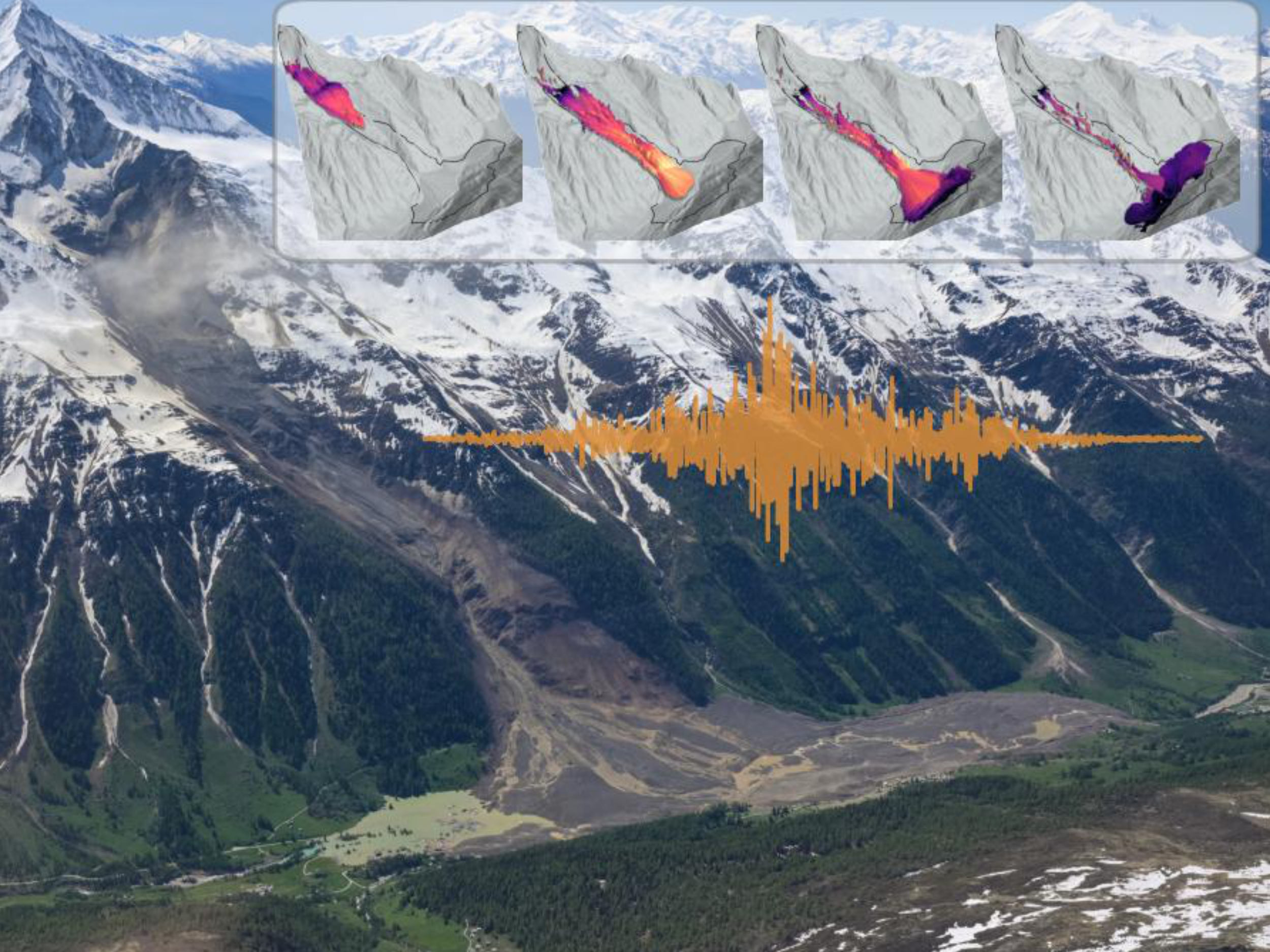
    The Blatten landslide in May 2025 shocked Switzerland. Millions of cubic metres of rock, ice and debris thundered into the valley, burying large parts of the village. But how can we predict how far these masses will flow, and why? In this workshop, you will discover how researchers at ETH Zurich, WSL and other institutions […]

  • Let’s Play! – How Analog and Digital Games Build Knowledge

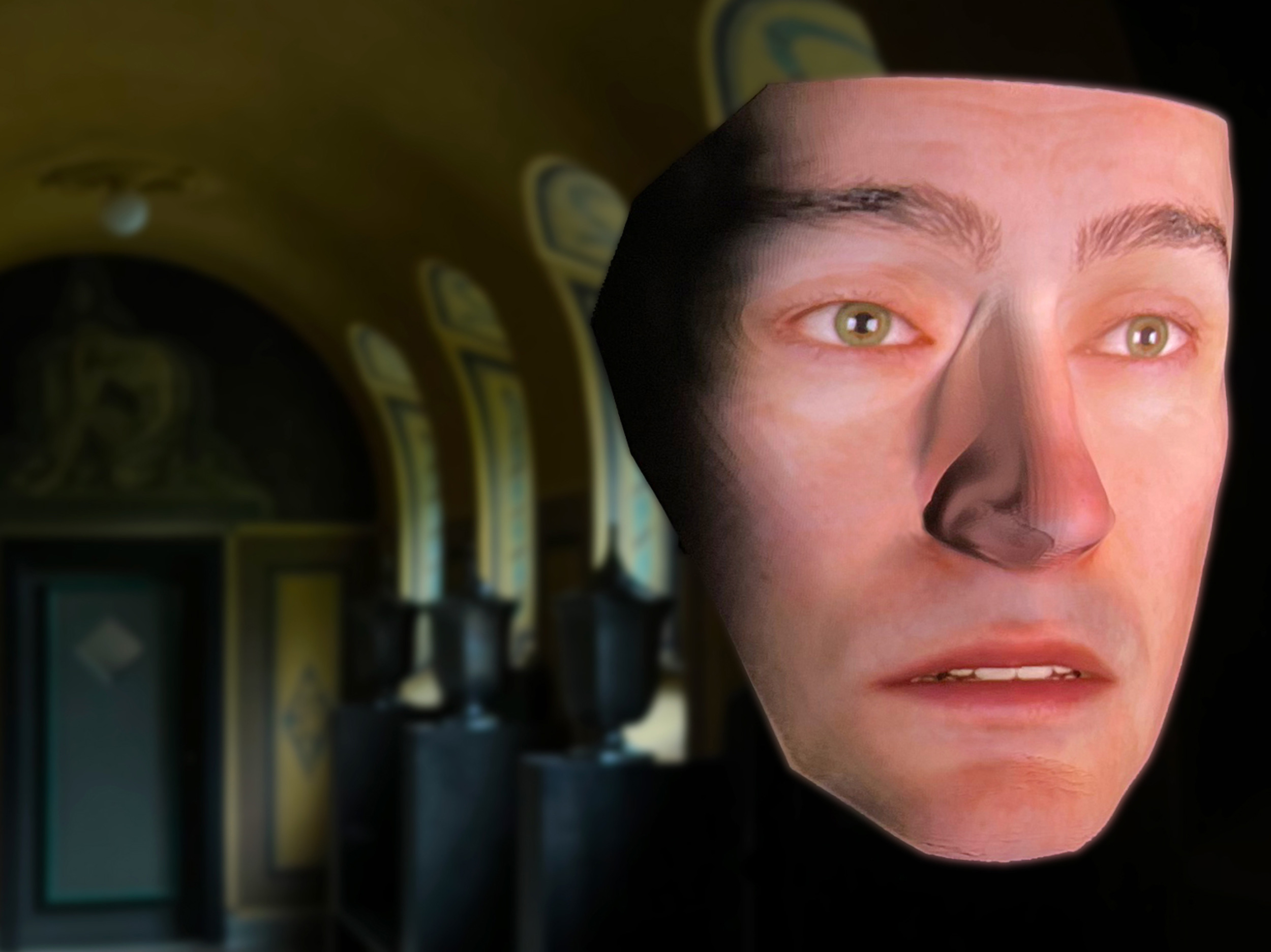
    Play is often seen as the opposite of learning — yet the two are closer than we might think. Board games and video games foster strategic thinking, social skills, and creative problem-solving. And beyond that: analogue and digital games can actively create knowledge. This event brings together research and practice: a series of compact lightning […]

  • Meditate like Marina Abramović

    What happens when we use meditation to put ourselves into a special state of mind? Drawing on her own experience as a performance artist, Marina Abramović has developed a meditation method and converted a former school bus into a mobile exhibition space featuring a meditation capsule. Inside, visitors can step away from the fast pace […]

  • How we spy on molecules to design better materials

    How can scientists observe objects that are far too small to see with the naked eye? And how does this help them develop new materials for medicine, technology and sustainability? On this interactive laboratory tour, you will discover how researchers in the Macromolecular Engineering Lab study the molecular world. Although molecules are tiny, only a […]

  • Super Plants, Extra DNA

    What would life be without bread, fruit or sugar? Many of the plants that feed us – including bananas and wheat – have extra sets of chromosomes. These “super plants” are not GMOs, but natural innovations that can outperform their “regular” relatives. By studying how evolution has reshaped their genomes, researchers can better understand what […]

  • How to Build a Brain-Like Chip

    What if your computer could think inside its own memory, like a brain? Today, processors and memory sit in separate places: one handles computation, the other stores information. For demanding applications such as AI models, this creates a major bottleneck. Vast amounts of data must constantly move back and forth, wasting energy and slowing computation. […]

  • Robots for good: how robots could support learning and wellbeing

    Can robots help us learn, communicate or improve our wellbeing? In this interactive workshop, you will discover how researchers at ETH Zurich are exploring the future of social robots and other intelligent technologies. Meet a social robot, experience virtual reality and take part in hands-on activities that show how robots could support children, education and […]

  • When mountains start to move

    The Blatten landslide in May 2025 shocked Switzerland. Millions of cubic metres of rock, ice and debris thundered into the valley, burying large parts of the village. But how can we predict how far these masses will flow, and why? In this workshop, you will discover how researchers at ETH Zurich, WSL and other institutions […]

  • Quantum light from quantum dots

    Light is wonderful. It drives life on earth, travels at record (light) speed, and sunlight can sometimes even make us happy. But what is light made of? And how can it help shape the technologies of the future? In this hands-on workshop, you will explore the fascinating world of light through a series of interactive […]

  • Understanding Suicidal Tendencies: Myths, Facts, and Digital Approaches to Prevention

    Suicidal tendencies affect many people and is often misunderstood. In this interactive workshop, researchers from the University of Zurich will work with participants to challenge common myths and shed light on the latest scientific findings. Through case studies, discussions, and practical exercises, participants will learn how suicidal ideation is studied, what warning, risk, and protective […]

  • Meditate like Marina Abramović

    What happens when we use meditation to put ourselves into a special state of mind? Drawing on her own experience as a performance artist, Marina Abramović has developed a meditation method and converted a former school bus into a mobile exhibition space featuring a meditation capsule. Inside, visitors can step away from the fast pace […]

  • How we spy on molecules to design better materials

    How can scientists observe objects that are far too small to see with the naked eye? And how does this help them develop new materials for medicine, technology and sustainability? On this interactive laboratory tour, you will discover how researchers in the Macromolecular Engineering Lab study the molecular world. Although molecules are tiny, only a […]

  • On Knowing and Understanding

    The American architect Frank Lloyd Wright is associated with the phrase “to understand what others only know”. But what is the difference between knowing and understanding? This talk explores the question through three perspectives: Spinoza’s 17th-century ideas on kinds of knowledge, Graham Wallas’s stages of the creative process, and Margaret Boden’s recent work on types […]

  • “Mini-Kidneys” Grown in the Lab

    Kidney disease affects around 10 percent of people worldwide. To develop better treatments, researchers first need to understand how these diseases begin and progress. Lab-grown “mini-kidneys” can help reveal what happens in the early stages of kidney disease. They offer a new way to study disease processes closely – and may uncover clues for future […]

  • Plant Pressing: Nature’s Hidden Stories

    Discover the diversity of plants! In this workshop, children and adults explore the fascinating world of plants together. Using real herbarium specimens, participants learn how varied plants are and what their shapes reveal about the way they live. Each family creates and decorates their own flower press made from laser-cut wood. We also demonstrate how […]

  • When mountains start to move

    The Blatten landslide in May 2025 shocked Switzerland. Millions of cubic metres of rock, ice and debris thundered into the valley, burying large parts of the village. But how can we predict how far these masses will flow, and why? In this workshop, you will discover how researchers at ETH Zurich, WSL and other institutions […]

  • Quantum light from quantum dots

    Light is wonderful. It drives life on earth, travels at record (light) speed, and sunlight can sometimes even make us happy. But what is light made of? And how can it help shape the technologies of the future? In this hands-on workshop, you will explore the fascinating world of light through a series of interactive […]

  • Root detectives: discovering the hidden half of plants

    What happens beneath our feet when plants grow? Become a root detective and explore the hidden world underground! In this hands-on workshop, children will discover the amazing variety of plant roots and learn how they help plants find water and nutrients, anchor themselves in the soil and survive in different environments. By observing real roots […]

  • The New Monuments Men?

    Have you heard of the “Monuments Men”? They saved works of art during World War II—their story became widely known through a film directed by George Clooney (2014). Researchers who study historic buildings are, in a sense, the “Monuments Men” of the 21st century. They analyze construction sites as well as structure and furnishings to […]

  • Hands-On Surgery: Explore, Experience and Understand

    What’s it like to work in an operating room? The team of the OR-X, the surgical research and training center of the Balgrist University Hospital and the University of Zurich, invites children and families to discover the world of modern surgery. At three interactive stations, children and teens ages 8 to 16 can get hands-on […]

  • Let’s Play! – How Analog and Digital Games Build Knowledge

    Play is often seen as the opposite of learning — yet the two are closer than we might think. Board games and video games foster strategic thinking, social skills, and creative problem-solving. And beyond that: analogue and digital games can actively create knowledge. This event brings together research and practice: a series of compact lightning […]

  • Thermal Justice: a serious game

    Who suffers most when cities get hotter? And how can we make cities not only cooler, but fairer? In this interactive workshop you will play the Thermal Justice board game, developed by researchers at ETH Zurich and Eawag: a fun and interactive way to explore how buildings, streets, trees, energy systems, and social inequalities shape […]

  • Meet Stanley: when AI gets emotional

    How many times have you asked Alexa, Siri, or ChatGPT the same question? No matter how often we repeat ourselves, today's AI assistants stay polite, patient, and helpful. But what if an AI became sarcastic, challenged your opinion or pointed out that you had already asked the same question three times? Meet Stanley, an experimental […]

  • Meditate like Marina Abramović

    What happens when we use meditation to put ourselves into a special state of mind? Drawing on her own experience as a performance artist, Marina Abramović has developed a meditation method and converted a former school bus into a mobile exhibition space featuring a meditation capsule. Inside, visitors can step away from the fast pace […]

  • How we spy on molecules to design better materials

    How can scientists observe objects that are far too small to see with the naked eye? And how does this help them develop new materials for medicine, technology and sustainability? On this interactive laboratory tour, you will discover how researchers in the Macromolecular Engineering Lab study the molecular world. Although molecules are tiny, only a […]

  • Testing Cancer Treatments in the Lab

    Every person’s cancer is different. Even tumors that look similar under the microscope can respond very differently to the same treatment, depending on their biology and the healthy cells around them. So how can doctors know which therapy is most likely to work? Researchers are growing miniature tumor models – called tumoroids – in the […]

  • Soils, humans and climate

    How are soils connected to climate change? And why do our actions influence the ground beneath our feet? This guided tour begins in the KEEP IT CO2OL exhibition at focusTerra, where impressive soil monoliths reveal how agriculture and forestry have degraded soils over time. As you continue through the exhibition, you will discover how human […]

  • When mountains start to move

    The Blatten landslide in May 2025 shocked Switzerland. Millions of cubic metres of rock, ice and debris thundered into the valley, burying large parts of the village. But how can we predict how far these masses will flow, and why? In this workshop, you will discover how researchers at ETH Zurich, WSL and other institutions […]

  • Quantum light from quantum dots

    Light is wonderful. It drives life on earth, travels at record (light) speed, and sunlight can sometimes even make us happy. But what is light made of? And how can it help shape the technologies of the future? In this hands-on workshop, you will explore the fascinating world of light through a series of interactive […]

  • Robots for good: how robots could support learning and wellbeing

    Can robots help us learn, communicate or improve our wellbeing? In this interactive workshop, you will discover how researchers at ETH Zurich are exploring the future of social robots and other intelligent technologies. Meet a social robot, experience virtual reality and take part in hands-on activities that show how robots could support children, education and […]

  • Meditate like Marina Abramović

    What happens when we use meditation to put ourselves into a special state of mind? Drawing on her own experience as a performance artist, Marina Abramović has developed a meditation method and converted a former school bus into a mobile exhibition space featuring a meditation capsule. Inside, visitors can step away from the fast pace […]

  • Anonymizing Medical Data for Research

    Hospitals hold enormous amounts of knowledge in free-text formats such as clinical notes, discharge summaries and medical reports. Because these texts contain sensitive patient information, they are difficult to use for research. ClinD is a privacy platform that anonymizes unstructured medical data directly inside the hospital’s secure infrastructure. AI tools help detect and remove personal […]

  • How Do We Study What We Dream?

    From missed exams to missing pants: when we sleep, we enter worlds that are sometimes strange or completely impossible and sometimes utterly mundane. But how can researchers study something that happens only in the mind – and is often forgotten moments after waking? Dream research uses scientific methods to explore what we dream about, how […]

  • How Decentralized AI Collaborates

    How can artificial intelligence learn from data that cannot be shared? Decentralized federated learning allows devices or institutions to train AI models together without sending their data to a central server. This talk will introduce how decentralized federated learning works, why it matters, and how it could support more private, secure and collaborative AI.

  • When mountains start to move

    The Blatten landslide in May 2025 shocked Switzerland. Millions of cubic metres of rock, ice and debris thundered into the valley, burying large parts of the village. But how can we predict how far these masses will flow, and why? In this workshop, you will discover how researchers at ETH Zurich, WSL and other institutions […]

  • The UP4mint Café: A break for parents, supervised fun for children ages 8–12

    Amid the hustle and bustle of Scientifica, the UP4mint Parents’ Café invites you to take a short break. While your children experiment, tinker, build, and make little discoveries at supervised hands-on stations within sight, you can enjoy a quiet cup of coffee and find inspiration on the new parents’ portal. Each of the varied activities […]

  • From AI Competence to Digital Resilience: KI-Schule.eu

    Artificial intelligence is everywhere today—from ChatGPT to deepfakes. In this walk-in workshop, you can try out generative AI for yourself, learn about its opportunities and risks, and discuss how to use it responsibly. The focus is on the interactive learning tool “AI School,” which introduces children and teens to the topic of AI in a […]

  • From soil to plate: Digging into sustainable food systems

    What does healthy soil have to do with the food on our plate? In this interactive workshop, teenagers will explore the basics of sustainable agricultural and food systems. After a short introduction, participants will get hands-on experience with guided gardening activities and discover why soil is one of our most valuable resources. Using simple pH […]

  • Science in the Kitchen – A low-temperature cooking show

    Cooking is far more than just following a recipe – it is an art. Cooking requires a fine sense of how the combination of ingredients defines the final taste and textures. Yet, part of the process can be recast in terms of physical mechanisms that once we understand them will allow us to control precisely […]

  • When mountains start to move

    The Blatten landslide in May 2025 shocked Switzerland. Millions of cubic metres of rock, ice and debris thundered into the valley, burying large parts of the village. But how can we predict how far these masses will flow, and why? In this workshop, you will discover how researchers at ETH Zurich, WSL and other institutions […]

  • Robots for good: how robots could support learning and wellbeing

    Can robots help us learn, communicate or improve our wellbeing? In this interactive workshop, you will discover how researchers at ETH Zurich are exploring the future of social robots and other intelligent technologies. Meet a social robot, experience virtual reality and take part in hands-on activities that show how robots could support children, education and […]

  • Meditate like Marina Abramović

    What happens when we use meditation to put ourselves into a special state of mind? Drawing on her own experience as a performance artist, Marina Abramović has developed a meditation method and converted a former school bus into a mobile exhibition space featuring a meditation capsule. Inside, visitors can step away from the fast pace […]

  • How we spy on molecules to design better materials

    How can scientists observe objects that are far too small to see with the naked eye? And how does this help them develop new materials for medicine, technology and sustainability? On this interactive laboratory tour, you will discover how researchers in the Macromolecular Engineering Lab study the molecular world. Although molecules are tiny, only a […]

  • Who Is Tracking Whom?

    AirTags, smartwatches and wireless headphones quietly communicate with nearby devices and Crowdsourced Finding Networks. These technologies can make everyday life easier by helping us locate lost items. But they can also be misused for unwanted tracking – and may reveal more about us than we realize. TRACE explores how tracking technologies work, why they are […]

  • When mountains start to move

    The Blatten landslide in May 2025 shocked Switzerland. Millions of cubic metres of rock, ice and debris thundered into the valley, burying large parts of the village. But how can we predict how far these masses will flow, and why? In this workshop, you will discover how researchers at ETH Zurich, WSL and other institutions […]

  • Quantum light from quantum dots

    Light is wonderful. It drives life on earth, travels at record (light) speed, and sunlight can sometimes even make us happy. But what is light made of? And how can it help shape the technologies of the future? In this hands-on workshop, you will explore the fascinating world of light through a series of interactive […]

  • Root detectives: discovering the hidden half of plants

    What happens beneath our feet when plants grow? Become a root detective and explore the hidden world underground! In this hands-on workshop, children will discover the amazing variety of plant roots and learn how they help plants find water and nutrients, anchor themselves in the soil and survive in different environments. By observing real roots […]

  • Thermal Justice: a serious game

    Who suffers most when cities get hotter? And how can we make cities not only cooler, but fairer? In this interactive workshop you will play the Thermal Justice board game, developed by researchers at ETH Zurich and Eawag: a fun and interactive way to explore how buildings, streets, trees, energy systems, and social inequalities shape […]

  • Understanding Suicidal Tendencies: Myths, Facts, and Digital Approaches to Prevention

    Suicidal tendencies affect many people and is often misunderstood. In this interactive workshop, researchers from the University of Zurich will work with participants to challenge common myths and shed light on the latest scientific findings. Through case studies, discussions, and practical exercises, participants will learn how suicidal ideation is studied, what warning, risk, and protective […]

  • Meditate like Marina Abramović

    What happens when we use meditation to put ourselves into a special state of mind? Drawing on her own experience as a performance artist, Marina Abramović has developed a meditation method and converted a former school bus into a mobile exhibition space featuring a meditation capsule. Inside, visitors can step away from the fast pace […]

  • How we spy on molecules to design better materials

    How can scientists observe objects that are far too small to see with the naked eye? And how does this help them develop new materials for medicine, technology and sustainability? On this interactive laboratory tour, you will discover how researchers in the Macromolecular Engineering Lab study the molecular world. Although molecules are tiny, only a […]

  • Soils, humans and climate

    How are soils connected to climate change? And why do our actions influence the ground beneath our feet? This guided tour begins in the KEEP IT CO2OL exhibition at focusTerra, where impressive soil monoliths reveal how agriculture and forestry have degraded soils over time. As you continue through the exhibition, you will discover how human […]

  • The Chromosome That Fell Asleep

    Once upon a time, deep within the world of Embryon, there was a loud and lively city called Cellula, where proteins rushed about, vesicles drifted and everything moved in perfect harmony. Everything – except Cromixi, a colorful creature trapped in sleep by an ancient spell. Who cast it, and why? And more importantly: could the […]

  • Deepfakes: Blurring Fact and Fiction

    Deepfakes are synthetic media – usually video, audio or images – created with generative AI to imitate a real person, voice, scene or action. They can appear so convincing that they become difficult to distinguish from captured reality. How are deepfakes created and shared? How can they be detected? And what technical and societal impact […]

  • IMMERSE: Explore. Play. Learn.

    What if you could step inside the human body, explore virtual worlds, or interact with digital objects using your own hands? This hands-on workshop introduces Virtual Reality (VR), Augmented Reality (AR), and Artificial Intelligence (AI) and their growing role in science and education. Participants will explore applications such as immersive anatomy, VR training, haptic simulations, […]

  • When mountains start to move

    The Blatten landslide in May 2025 shocked Switzerland. Millions of cubic metres of rock, ice and debris thundered into the valley, burying large parts of the village. But how can we predict how far these masses will flow, and why? In this workshop, you will discover how researchers at ETH Zurich, WSL and other institutions […]

  • Quantum light from quantum dots

    Light is wonderful. It drives life on earth, travels at record (light) speed, and sunlight can sometimes even make us happy. But what is light made of? And how can it help shape the technologies of the future? In this hands-on workshop, you will explore the fascinating world of light through a series of interactive […]

  • Hands-On Surgery: Explore, Experience and Understand

    What’s it like to work in an operating room? The team of the OR-X, the surgical research and training center of the Balgrist University Hospital and the University of Zurich, invites children and families to discover the world of modern surgery. At three interactive stations, children and teens ages 8 to 16 can get hands-on […]

  • Robots for good: how robots could support learning and wellbeing

    Can robots help us learn, communicate or improve our wellbeing? In this interactive workshop, you will discover how researchers at ETH Zurich are exploring the future of social robots and other intelligent technologies. Meet a social robot, experience virtual reality and take part in hands-on activities that show how robots could support children, education and […]

  • Atlas of Switzerland – discover the country’s diversity!

    Where can you find rope courses in Switzerland? And how long have they been around? Where in Switzerland are snowboards manufactured, and which brands are involved? In which Swiss municipalities are watches manufactured, and how many people work in this industry? The web version of the Atlas of Switzerland offers a wealth of information on […]

  • Meet Stanley: when AI gets emotional

    How many times have you asked Alexa, Siri, or ChatGPT the same question? No matter how often we repeat ourselves, today's AI assistants stay polite, patient, and helpful. But what if an AI became sarcastic, challenged your opinion or pointed out that you had already asked the same question three times? Meet Stanley, an experimental […]

  • Meditate like Marina Abramović

    What happens when we use meditation to put ourselves into a special state of mind? Drawing on her own experience as a performance artist, Marina Abramović has developed a meditation method and converted a former school bus into a mobile exhibition space featuring a meditation capsule. Inside, visitors can step away from the fast pace […]

  • How we spy on molecules to design better materials

    How can scientists observe objects that are far too small to see with the naked eye? And how does this help them develop new materials for medicine, technology and sustainability? On this interactive laboratory tour, you will discover how researchers in the Macromolecular Engineering Lab study the molecular world. Although molecules are tiny, only a […]

  • When mountains start to move

    The Blatten landslide in May 2025 shocked Switzerland. Millions of cubic metres of rock, ice and debris thundered into the valley, burying large parts of the village. But how can we predict how far these masses will flow, and why? In this workshop, you will discover how researchers at ETH Zurich, WSL and other institutions […]

  • Quantum light from quantum dots

    Light is wonderful. It drives life on earth, travels at record (light) speed, and sunlight can sometimes even make us happy. But what is light made of? And how can it help shape the technologies of the future? In this hands-on workshop, you will explore the fascinating world of light through a series of interactive […]

  • Meet Stanley: when AI gets emotional

    How many times have you asked Alexa, Siri, or ChatGPT the same question? No matter how often we repeat ourselves, today's AI assistants stay polite, patient, and helpful. But what if an AI became sarcastic, challenged your opinion or pointed out that you had already asked the same question three times? Meet Stanley, an experimental […]

  • Meditate like Marina Abramović

    What happens when we use meditation to put ourselves into a special state of mind? Drawing on her own experience as a performance artist, Marina Abramović has developed a meditation method and converted a former school bus into a mobile exhibition space featuring a meditation capsule. Inside, visitors can step away from the fast pace […]

  • From Wild Plant to Edible Cereal

    How do scientists transform an unknown plant into a potential future crop? Using orphan crops such as marama bean, an African legume, this talk follows the step-by-step process of building scientific knowledge: from the first field observations and questions, to studying germination, reproduction, and genetics, and finally developing tools for crop improvement. Discover how curiosity-driven […]

  • When mountains start to move

    The Blatten landslide in May 2025 shocked Switzerland. Millions of cubic metres of rock, ice and debris thundered into the valley, burying large parts of the village. But how can we predict how far these masses will flow, and why? In this workshop, you will discover how researchers at ETH Zurich, WSL and other institutions […]